

How to Choose the Right Pool Design for Your Backyard Layout
Designing a backyard swimming pool involves more than selecting an attractive shape or choosing decorative finishes. Every property has unique dimensions, landscaping features, drainage conditions, and outdoor living requirements that influence which pool designs will work best. Homeowners must consider how the pool will fit within the available space while accommodating activities such as swimming, entertaining, and relaxing. A thoughtfully designed pool can enhance the appearance of a backyard while creating a functional gathering place for family and friends. However, overlooking important layout considerations may lead to limited usable space, inconvenient access, or unnecessary construction expenses. Experienced pool contractors can help homeowners evaluate their properties and identify designs that balance appearance, functionality, and long-term maintenance. Understanding the factors that influence pool placement, dimensions, and features makes it easier to create an outdoor environment that complements the property.
Evaluating Your Backyard's Available Space
The first step in choosing a pool design involves understanding the dimensions and characteristics of the backyard. Property boundaries, existing structures, landscaping, and outdoor amenities influence how much space is available for construction. Homeowners should also consider required setbacks, utility locations, and access routes for construction equipment. A pool that appears appropriately sized in a drawing may occupy more usable yard space than anticipated once surrounding decking and walkways are included.
Professional pool contractors can assess the property and recommend configurations that accommodate its physical limitations. Smaller yards may benefit from compact rectangular pools, plunge pools, or designs that follow existing landscape boundaries. Larger properties can accommodate more elaborate shapes and surrounding recreational areas. Accurate measurements help establish realistic expectations while ensuring that the selected pool leaves sufficient room for movement, landscaping, and other outdoor activities.
Considering Your Household's Swimming Needs
Different households use swimming pools for different purposes, making lifestyle considerations essential during the design process. Families with children may prioritize shallow areas, convenient entry points, and spaces for supervised recreational swimming. Homeowners interested in exercise might prefer longer swimming areas that accommodate laps. Others may want a peaceful retreat featuring comfortable seating, decorative water elements, or designated relaxation zones.
According to RubyHome, 36% of children and 15% of adults use a swimming pool at least six times per year. These figures highlight how swimming habits can vary among age groups. Experienced pool contractors can help homeowners select dimensions, depths, and features that reflect their anticipated activities. Considering both current preferences and future household needs can prevent homeowners from choosing a design that becomes inconvenient as their lifestyles change.
Comparing Different Pool Shapes and Configurations
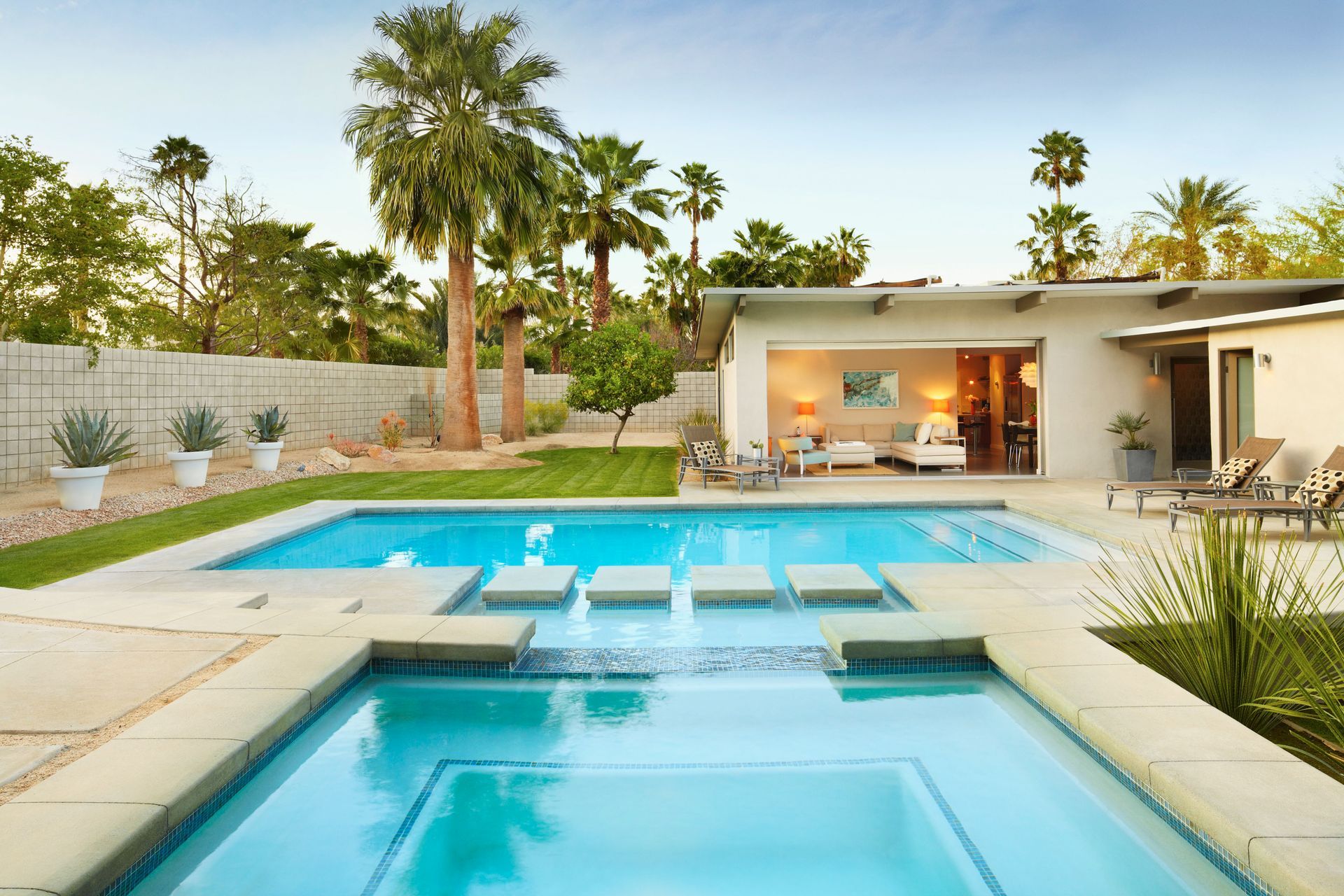
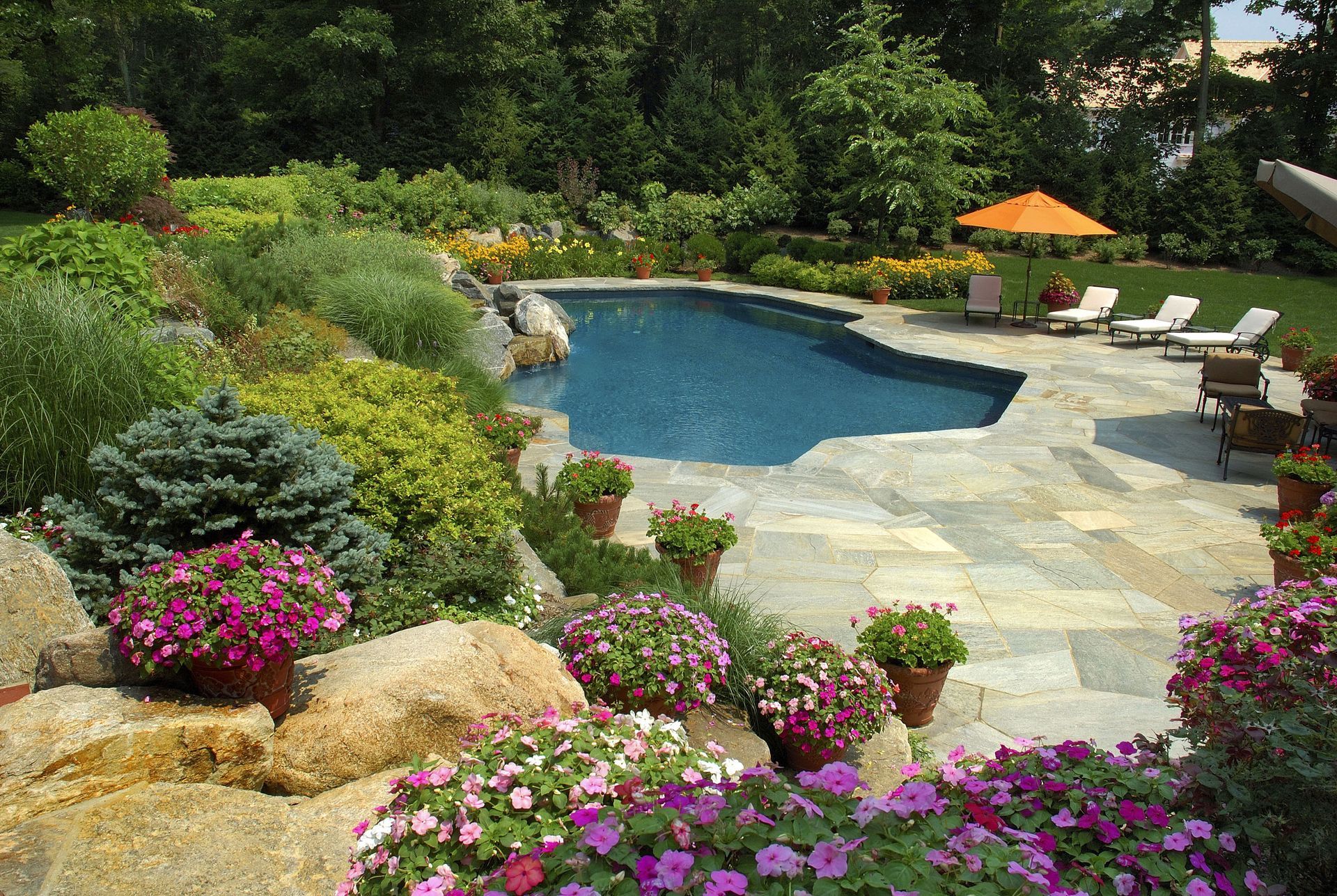
Pool shape influences the appearance, functionality, and space requirements of the finished backyard. Rectangular pools provide clean lines and can complement contemporary architecture while supporting swimming exercises. Freeform designs feature curved edges that may integrate naturally with landscaped gardens and irregular property boundaries. Geometric configurations offer additional opportunities to coordinate the pool with patios, outdoor kitchens, and other architectural elements.
Homeowners should compare how each shape affects circulation, seating arrangements, and surrounding deck space. An elaborate configuration may look appealing but create narrow areas that are difficult to navigate or maintain. Simpler shapes can provide efficient use of space while offering flexibility for additional features. Selecting a configuration that complements the property's dimensions helps establish visual balance and ensures that the pool supports its intended activities.
Planning Pool Placement Around Existing Features
The location of a swimming pool affects accessibility, comfort, privacy, and the overall appearance of the backyard. Homeowners should evaluate the relationship between the proposed pool and nearby structures, including the house, patios, fences, and outdoor entertainment areas. Sun exposure is another important consideration because surrounding trees and buildings can create shaded areas throughout the day. Existing drainage patterns and underground utilities may also influence suitable placement.
Qualified pool contractors can examine these conditions before recommending a final location. Positioning the pool near established gathering areas may improve convenience, while thoughtful landscaping can create privacy without obstructing important pathways. Homeowners should also consider visibility from the house, especially when children may use the pool. Careful placement helps create a connected outdoor environment while reducing potential conflicts with existing structures and landscaping.
Incorporating Functional Features and Amenities
Modern swimming pools can include features that improve comfort, accessibility, and recreational enjoyment. Built-in benches, tanning ledges, integrated spas, and gradual entry areas provide different ways to use the water. Decorative waterfalls and fountains can introduce movement and visual interest, while lighting extends the pool's usability into the evening. However, every additional feature influences construction requirements, available swimming space, and maintenance responsibilities.
Working with pool contractors allows homeowners to evaluate which amenities are practical for their backyard layouts. A compact pool may benefit from integrated seating rather than a separate spa that consumes valuable space. Larger designs can accommodate multiple activity zones without creating excessive crowding. Prioritizing features according to household needs and available budgets helps homeowners avoid unnecessary additions while creating a swimming environment that remains functional and enjoyable.
Coordinating Decking and Surrounding Landscaping
A swimming pool should complement the surrounding outdoor environment rather than appear disconnected from it. Decking materials, planting arrangements, lighting, and seating areas influence how the finished space looks and functions. Homeowners should consider slip-resistant walking surfaces, appropriate drainage, and comfortable circulation routes between the pool and nearby amenities. Landscaping can provide shade and privacy, although plant placement should account for falling leaves and root growth.
Coordinating these elements during the initial design process helps create a cohesive backyard layout. Natural stone, concrete pavers, and other suitable materials can establish different visual styles while supporting everyday use. Homeowners should also reserve adequate space for lounge chairs, outdoor dining, and equipment access. Thoughtful landscape planning helps prevent overcrowding and ensures that decorative features do not interfere with safe movement or routine pool maintenance.
Addressing Safety and Maintenance Requirements
Safety considerations should influence pool design from the earliest planning stages. Applicable regulations may establish requirements for barriers, gates, alarms, and other protective measures. Homeowners should also evaluate pool depths, entry points, and visibility from frequently occupied areas. Appropriate lighting and slip-resistant surfaces can support safer movement around the water. These considerations are particularly important for households with children or frequent visitors.
Experienced pool contractors can explain relevant construction requirements and recommend design features that support responsible pool ownership. Maintenance accessibility also deserves attention because filtration equipment, plumbing components, and cleaning systems require periodic inspection. Homeowners should consider where equipment will be located and how technicians will reach it without disrupting landscaping. Incorporating safety and maintenance requirements into the original layout helps reduce complications after construction is complete.
Establishing a Realistic Construction Budget
Pool construction costs depend on numerous factors, including size, shape, materials, site conditions, and selected amenities. Excavation requirements, drainage improvements, utility connections, and surrounding hardscaping can influence the overall investment. Homeowners should establish a realistic budget before finalizing their preferred design. Focusing exclusively on the initial pool structure may overlook expenses associated with fencing, decking, landscaping, and ongoing operation.
A detailed construction estimate can help homeowners understand how different design decisions affect project costs. Comparing essential features with optional upgrades makes it easier to prioritize improvements without exceeding financial expectations. Homeowners should also discuss anticipated construction timelines, permitting requirements, and potential site complications. Planning for long-term expenses, including cleaning, equipment maintenance, and energy consumption, supports informed decisions and helps ensure that the completed pool remains manageable.
Choosing the right swimming pool design requires balancing available space, household activities, visual preferences, and practical construction considerations. Homeowners should evaluate property dimensions, compare pool shapes, and consider how placement affects surrounding landscaping and outdoor amenities. Safety features, maintenance accessibility, and realistic budgeting also contribute to long-term satisfaction. Taking time to understand these factors helps create a swimming environment that complements the backyard while supporting everyday recreational needs. Working with experienced pool contractors can simplify the design process and provide valuable guidance regarding appropriate configurations, materials, and features. Whether you're planning a compact relaxation pool or an expansive backyard retreat, thoughtful design decisions can improve functionality and enhance outdoor enjoyment. To explore customized swimming pool designs for your property, contact Water Designs of Sarasota today.

Share On: